

Oral Cancer Screenings in Oro Valley, AZ
Routine dental checkups include an oral cancer screening that checks the mouth, tongue, gums, cheeks, and throat for early signs of abnormal changes. Oral cancer screenings in Oro Valley, AZ, are a quick, comfortable part of preventive care that can help detect problems at a stage when treatment is most effective.
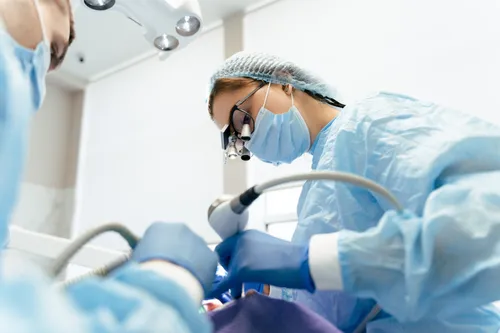
Oral Cancer Screening Explained
An oral cancer screening is a visual and tactile examination of the soft tissues in and around your mouth. It is designed to spot suspicious areas such as persistent sores, red or white patches, thickened tissue, or lumps. While a screening does not diagnose cancer, it helps determine whether further testing is needed. If you have wondered “What is oral cancer screening?” or “How does an oral screening work?”, this section outlines the essentials.
Anyone can develop oral cancer, but certain factors raise risk. Knowing these oral cancer risk factors can guide how often screening should occur:
- Tobacco use in any form.
- Heavy alcohol use.
- HPV exposure, especially high-risk strains.
- Frequent sun exposure to the lips.
- Personal or family history of head and neck cancer.
- Age over 40 or a weakened immune system.
Because early changes may be painless and subtle, a professional exam can find concerns you might not notice at home. Many patients ask about the signs of oral cancer; regular screening helps distinguish common irritations from areas that merit closer evaluation.
Benefits of Early Screening
- Supports early detection when treatment is typically less complex and more successful.
- Identifies precancerous changes that can be monitored or managed sooner.
- Guides appropriate next steps, such as imaging, referral, or a biopsy if needed.
- Provides personalized counseling about risk factors and prevention, including HPV and oral cancer connections.
- Offers peace of mind through a thorough, systematic check of oral tissues.
How Oral Cancer Screening Works
- Health history review: We will note any symptoms, lifestyle factors, or prior findings.
- Visual examination: A bright light and mirrors are used to inspect the lips, cheeks, gums, tongue, floor of the mouth, palate, and throat.
- Tongue and tissue assessment: The tongue is gently moved to view all surfaces; the lining of the cheeks and floor of the mouth are checked for color or texture changes.
- Palpation: The jaw, under the chin, and sides of the neck are gently felt for lumps or enlarged lymph nodes.
- Adjunctive tools when indicated: Special lights or dyes may be used to highlight abnormal areas. These tools supplement, but do not replace, a careful clinical exam.
- Discussion of findings: You will learn what was seen, what it means, and whether any follow-up is recommended.
What to Expect at Your Visit
The screening is noninvasive and typically takes a few minutes during a routine exam and cleaning. No special preparation is required. You may be asked to remove dentures or partials so all tissues can be examined. Most findings are normal, such as minor irritations from biting the cheek or rubbing from a sharp tooth edge.
If something looks suspicious, common next steps include rechecking the area in about two weeks, polishing or smoothing an irritating surface, ordering imaging, or referring to an oral surgeon for a biopsy. A biopsy is the only way to confirm a diagnosis. Acting on changes early helps ensure the best outcome.
Between visits, self-checks are helpful. Tell Your dentist if you notice a sore that does not heal in two weeks, a lump, persistent hoarseness, difficulty swallowing, numbness, or unexplained ear pain. These can be signs of oral cancer or other conditions that deserve attention.
For questions about oral cancer screening in Oro Valley, AZ, or to schedule a visit with our dentists, contact Oro Valley Dental Arts at 520-297-2007. Appointments are available with Dr. Joseph M. Larsen or Dr. Jyoti Farwaha.
Frequently Asked Questions About Oral Cancer Screening
- How Often Should I Have an Oral Cancer Screening?
- For most adults, an oral cancer screening is recommended at least once a year during a routine dental exam. Patients with higher risk factors may benefit from more frequent checks.
- What Are the Early Warning Signs I Should Watch For?
- Watch for a sore that does not heal within two weeks, red or white patches, a lump or thickened area, pain when swallowing, persistent sore throat, numbness, or changes in how your teeth fit together.
- Does the Screening Hurt?
- No. The exam involves looking and gently feeling the tissues. It is quick and comfortable, and no anesthesia is needed.
- What Happens If My Dentist Finds a Suspicious Area?
- You will receive a clear plan, which may include a short-term recheck, imaging, or a referral for a biopsy. Many suspicious areas turn out to be benign, but follow-up ensures nothing important is missed.
- Is Oral Cancer Screening Part of a Regular Dental Checkup?
- Yes. Most routine dental exams include an oral cancer screening as a standard part of preventive care.
- Can HPV Increase My Risk for Oral Cancer?
- Yes. Certain HPV types are linked to oropharyngeal cancers. Screening, vaccination when appropriate, and regular dental visits help support early detection and prevention.